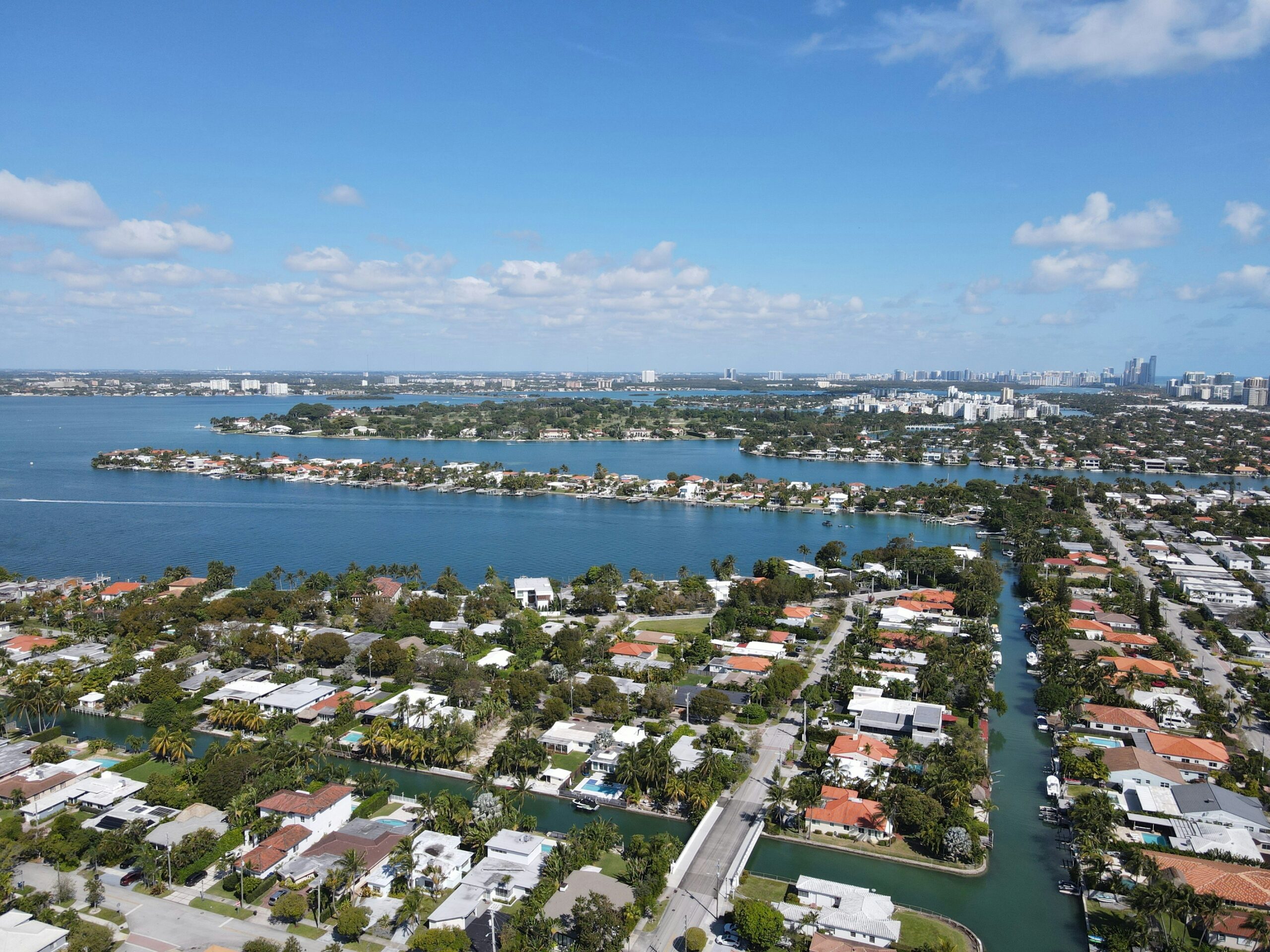
TL;DR: Florida HOA and condo management is not the same in every market. A board in Miami may be dealing with high-rise inspections, multilingual communication, and coastal insurance pressure, while a board in Orlando may be managing growth, rentals, and high owner turnover.
Before you evaluate or manage a community, look at the local operating environment. The city affects vendor access, storm planning, reserve pressure, owner expectations, rental activity, and the type of communication your board needs.
Contact our specialists to get advice and support.
Why Local Market Differences Shape Association Management
If you manage or evaluate an HOA or condo association in Florida, do not assume one operating model fits every city. The same governing documents may produce very different management needs depending on whether the community is in Miami, Orlando, Tampa, Fort Myers, Naples, or Fort Lauderdale.
A coastal high-rise in Miami does not operate like a gated community outside Orlando. A seasonal condo community in Naples does not face the same day-to-day rhythm as a large Tampa-area HOA with year-round residents. Fort Myers boards may be more focused on storm recovery and insurance issues, while Fort Lauderdale boards may be dealing with older buildings, water management, and owner communication in dense coastal areas.
This is where many boards and buyers underestimate risk. They look at monthly dues, reserves, amenities, and maybe the latest meeting minutes. Those items help, but they do not show the full operational picture. You also need to ask whether the community’s management approach fits its local market and understand the key questions to ask before hiring a management company.
A good board understands the property. A stronger board understands the property in its city.
Why Florida Association Management Requires Local Judgment
If you are evaluating a Florida community, start with the broader state environment. Florida associations operate under pressure from insurance costs, storm exposure, reserve funding, building age, population growth, seasonal ownership, and local permitting demands.
Association management has become more complex. Boards are no longer just handling landscaping, meetings, and dues. Many are managing small operating systems with real financial, legal, and infrastructure consequences. Understanding what a community association management company actually does can help boards identify where professional support adds value.
Florida adds another layer. The U.S. Census Bureau reported that Florida added thousands of new residents over the last few years.
Growth changes association operations. More residents can mean more traffic, more amenity use, more owner questions, more rental activity, more service demand, and more pressure on vendors. Communities that do not adjust their operations often feel disorganized even when the board is working hard.
You should look at each market through a practical lens:
- What kind of buildings dominate the area?
- How much storm exposure does the community face?
- Are owners mostly full-time, seasonal, or investors?
- Is rental activity common?
- Are vendors easy to schedule?
- Are buildings older or newer?
- Are local inspection or permitting issues likely?
- Does the community need multilingual communication?
- Are owners used to higher-touch service?
The answers affect budget planning, board communication, staffing, reserve priorities, and vendor strategy.
Miami: High-Rise Complexity, Insurance Pressure, and Multilingual Communication
If you are managing or buying into a Miami association, expect a more complex operating environment than many other Florida markets. Miami communities often combine dense buildings, coastal exposure, older infrastructure, luxury owner expectations, international ownership, and significant insurance pressure.
Miami boards often need more formal processes because the margin for casual management is smaller. A delayed repair in a single-family HOA may create complaints. A delayed repair in a high-rise condo can affect elevators, life safety systems, structural components, water intrusion, tenant access, and resale confidence.
Pay close attention to:
- building age
- structural inspection status
- reserve funding
- insurance renewals
- elevator maintenance
- water intrusion history
- concrete restoration planning
- multilingual owner communication
- absentee and international ownership
- short-term rental enforcement
- security staffing and access control
Miami communication often needs to be clearer and more frequent. Owners may live outside the country or outside Florida. Some may treat the unit as an investment. Others may expect a luxury service standard. Those groups do not always read board updates the same way.
A Miami board should avoid vague communication around inspections, reserves, and major projects. If owners are already dealing with higher insurance costs and repair concerns, unclear messaging can quickly create suspicion.
What You Should Watch in Miami
Before you buy or approve a major plan, review whether the board has a real system for building operations.
Ask:
- Are inspection timelines clearly communicated?
- Are reserve projects tied to actual building conditions?
- Are elevator and life safety contracts actively monitored?
- Are owners updated in plain language before major assessments?
- Are rental and access rules enforced consistently?
- Are communications accessible to the owner base?
Miami rewards operational discipline. It punishes informal management.
Orlando: Growth, Rentals, Amenities, and Owner Turnover
If you are evaluating an Orlando-area HOA or condo, growth should be near the top of your review. Orlando is not only a tourism market. It is also a fast-growing residential and employment market with strong migration, suburban expansion, investor interest, and large master-planned communities.
That growth affects association management in practical ways. More residents and more rentals can create higher use of amenities, more parking issues, more gate access problems, more architectural requests, more owner turnover, and more questions from new residents who do not understand the rules.
Orlando boards often need strong onboarding and rule communication.
Pay close attention to:
- rental concentration
- amenity use
- parking rules
- gate and access systems
- landscaping standards
- architectural review volume
- new owner orientation
- short-term rental pressure near tourism corridors
- vendor capacity in fast-growing suburbs
- developer transition issues in newer communities
Many Orlando communities look simple from the outside. The risk often appears in volume. More owners, more move-ins, more rentals, and more amenity use can strain weak systems.
What You Should Watch in Orlando
If you are looking at an Orlando association, do not only review the budget. Review how the community handles growth.
Ask:
- Are new owners given clear welcome materials?
- Are rental rules easy to understand?
- Are amenity rules enforced consistently?
- Are architectural requests tracked well?
- Are vendors keeping pace with community needs?
- Are reserve plans adjusting as amenities age?
Growth can hide weak management for a while. Then complaints begin to rise, amenities wear faster, and rules become harder to enforce.
Tampa: Mixed Community Types, Infrastructure Pressure, and Regional Growth
Tampa-area association management often requires flexibility. The market includes urban condos, waterfront properties, older communities, suburban HOAs, townhome associations, and large master-planned developments across Hillsborough, Pinellas, and Pasco.
If you are evaluating a Tampa community, first identify what type of association you are dealing with. The operational profile can change quickly from one neighborhood to another.
A waterfront condo in Tampa Bay may need closer attention to storm exposure, seawalls, flood insurance, elevators, and building systems. A suburban HOA may be more focused on landscaping, irrigation, ponds, gates, roads, and architectural control. A townhome community may sit somewhere in between, with roof responsibility, exterior maintenance, and insurance structure requiring careful review.
Pay close attention to:
- flood zone exposure
- roof and exterior maintenance responsibility
- stormwater systems
- pond and lake maintenance
- irrigation costs
- gate access
- landscaping contract performance
- road responsibility
- reserve planning
- owner growth and traffic patterns
Tampa’s operational challenge is variety. A board that copies another community’s management approach may miss the risks specific to its own property.
What You Should Watch in Tampa
Before you evaluate dues or reserves, clarify what the association is actually responsible for.
Ask:
- Does the association maintain roofs or exterior walls?
- Who maintains roads, gates, ponds, and drainage systems?
- Are flood or stormwater risks reflected in the budget?
- Are landscaping and irrigation costs rising?
- Are reserves aligned with the community’s actual assets?
- Are vendor contracts reviewed before renewal?
Tampa communities can look financially stable until you discover an underfunded asset that nobody has been discussing.
Fort Myers: Storm Recovery, Insurance, Contractors, and Deferred Work
If you are looking at Fort Myers, storm history deserves close review. Hurricane Ian changed the operating environment for many communities across Southwest Florida. Even communities that have completed visible repairs may still be dealing with insurance claims, contractor availability, owner fatigue, higher premiums, and delayed secondary work.
The operational risk in Fort Myers is often not limited to obvious damage. It can appear in incomplete repairs, unresolved claims, temporary fixes, strained reserves, vendor backlogs, and owners who are tired of assessments.
Pay close attention to:
- Hurricane Ian repair history
- insurance claim status
- roof and exterior repairs
- water intrusion records
- contractor warranties
- reserve fund condition
- special assessment history
- owner delinquency trends
- emergency repair planning
- vendor availability
Many buyers focus on whether the community looks repaired. That is not enough. You need to know whether the work was completed properly, paid for properly, and documented clearly.
What You Should Watch in Fort Myers
Before you buy or approve a budget, review the repair record carefully.
Ask:
- Were storm repairs completed or only partially addressed?
- Are insurance claims still open?
- Were reserves used for storm costs?
- Were special assessments issued?
- Are contractor warranties documented?
- Did the board defer non-storm repairs during recovery?
- Are owners still facing repair fatigue?
Storm recovery can make a community look active and well-managed, but activity alone does not prove financial stability. You need documentation.
Naples: High Expectations, Seasonal Ownership, and Premium Vendor Costs
Naples communities often operate in a higher-expectation environment. Owners may expect strong landscaping, clean amenities, polished communication, quick vendor response, and careful financial oversight. Many communities also have seasonal ownership patterns, which affects meeting participation, communication timing, and service expectations.
If you are managing or evaluating a Naples association, assume owners will notice details. Landscaping quality, gate operations, clubhouse condition, pool service, exterior appearance, and project communication all influence owner confidence.
Pay close attention to:
- seasonal owner communication
- landscaping quality
- amenity maintenance
- vendor pricing
- reserve planning
- architectural standards
- storm readiness
- insurance costs
- owner meeting timing
- board transparency around assessments
Naples boards often face a difficult balance. Owners may expect premium service but resist higher assessments. That tension requires clear budgeting and early communication.
A board that keeps dues low while deferring visible maintenance may create more conflict later than a board that explains costs early and funds the work properly.
What You Should Watch in Naples
If you are reviewing a Naples community, examine whether the budget supports the service level owners expect.
Ask:
- Are landscaping and amenity contracts realistic?
- Are seasonal owners receiving timely updates?
- Are reserves strong enough for visible property standards?
- Are storm plans communicated before owners leave for the season?
- Are vendor costs rising faster than assessments?
- Are owners being prepared for future capital needs?
In Naples, appearance and operations are closely linked. A decline in common-area quality can change how owners feel about value quickly.
Fort Lauderdale: Coastal Density, Older Buildings, Water Issues, and Inspection Readiness
Fort Lauderdale often combines coastal exposure, older condo buildings, dense neighborhoods, boating communities, drainage concerns, and high owner expectations. Boards here need to pay close attention to building systems, inspection readiness, water management, reserves, and communication.
If you are considering a Fort Lauderdale condo, do not stop at the unit interior. Many of the largest ownership risks may sit outside the unit, in the building envelope, structural systems, roof, elevators, seawalls, drainage, or insurance program.
Pay close attention to:
- building age
- milestone inspection status
- concrete restoration needs
- roof condition
- seawalls and docks
- drainage and flooding history
- elevator systems
- fire and life safety systems
- insurance coverage
- reserve study assumptions
- local permitting timelines
Florida Statute 553.899 requires milestone inspections for certain aging condominium and cooperative buildings and assigns responsibility for arranging and paying for association-related inspection costs. (Source: Florida Senate, 2024 Florida Statutes, Section 553.899)
For Fort Lauderdale boards, inspection readiness should not be treated as a once-per-decade task. It should be part of ongoing building management.
What You Should Watch in Fort Lauderdale
If you are evaluating a Fort Lauderdale association, review the building’s physical and financial readiness together.
Ask:
- Has the building completed required inspections?
- Are repair recommendations funded?
- Are reserves aligned with building age?
- Are seawalls, docks, or drainage systems association responsibilities?
- Are owners informed about inspection timelines?
- Are permits causing project delays?
- Are insurance increases being explained clearly?
Fort Lauderdale communities can carry hidden infrastructure risk. A board that communicates early about building conditions gives you a much clearer view of what you are buying into.
How the Same Issue Changes by Market
The same management issue can create different problems depending on the city. This is why boards should avoid copying policies or budgets from another community without examining local conditions.
Consider insurance.
In Miami and Fort Lauderdale, insurance pressure may be tied closely to coastal exposure, high-rise systems, building age, and structural concerns. In Fort Myers and Naples, recent storm history and Southwest Florida recovery dynamics may shape premiums and owner sensitivity. In Orlando, insurance may still be expensive, but the bigger operating strain may come from growth, rentals, amenities, and turnover.
The same is true for vendors.
Vendor management looks different across markets:
- Miami may require specialized high-rise contractors.
- Orlando may need vendors who can handle high-volume amenity and landscaping needs.
- Tampa may require a mix of stormwater, landscape, gate, and exterior vendors.
- Fort Myers may face storm recovery backlogs and contractor availability issues.
- Naples may require premium service standards and seasonal scheduling.
- Fort Lauderdale may require contractors familiar with older coastal buildings and permitting.
This is where management quality becomes visible. A strong board understands which local risks deserve early planning. A weak board reacts after the problem becomes public.
What You Should Compare Before Buying or Serving on a Board
Before you buy into a community, join a board, or approve a management contract, compare the association’s operations against its local market. A community may have decent documents and still be poorly prepared for the city it operates in.
Review these areas carefully:
- budget assumptions
- reserve study age and quality
- insurance renewal history
- vendor contract depth
- board communication rhythm
- storm preparation plan
- inspection status
- owner delinquency trends
- rental rules and enforcement
- maintenance logs
- special assessment history
- project documentation
After reviewing the list, look for alignment.
A Miami high-rise should not have casual building communication. An Orlando community with high turnover should not have weak owner onboarding. A Fort Myers association with storm history should not have vague repair records. A Naples community with premium expectations should not have underfunded landscaping and amenities. A Fort Lauderdale coastal condo should not avoid direct discussion of building systems and inspections.
The management model should fit the market.
Common Mistakes Boards Make Across These Florida Markets
Many board mistakes come from applying a general approach to a specific market. The board may be acting in good faith, but the process does not match the community’s real operating needs.
Common mistakes include:
- using the same communication schedule in every city
- underestimating coastal building costs
- treating storm planning as a seasonal checklist
- waiting too long to explain insurance increases
- relying on outdated reserve assumptions
- ignoring rental and turnover patterns
- choosing vendors only by price
- failing to track contractor performance
- communicating with seasonal owners too late
- delaying inspection-related planning
- treating owner frustration as a personality issue instead of an information issue
The last point deserves special attention. When owners push back, boards often focus on tone, complaints, or personalities. Sometimes the deeper issue is that owners did not receive enough context early enough.
Better communication will not make every owner agree. It can reduce the confusion that turns disagreement into conflict.
How Boards Can Build a Market-Specific Operating Plan
If your board wants to manage more effectively, start by building a local risk profile. This does not need to be complicated. It needs to be honest.
A useful operating plan answers:
- What are the top three local risks for this community?
- Which assets require the most future funding?
- Which vendors are hardest to replace?
- Which owner groups need more communication?
- Which seasonal events affect operations?
- Which legal or inspection deadlines are approaching?
- Which costs are rising fastest?
- Which projects are likely to create owner pushback?
Then convert those answers into action.
Your plan should include:
- a communication calendar
- a vendor review calendar
- a reserve review schedule
- an insurance renewal timeline
- a storm readiness checklist
- a project update process
- a budget explanation process
- an owner onboarding process
This helps the board move from reaction to preparation.
The strongest boards do not manage Florida communities as if they are interchangeable. They manage the specific risk profile in front of them.
Conclusion
Managing HOAs and condos in Florida requires more than knowing state law, collecting assessments, and scheduling vendors. The city changes the operating picture.
Miami often requires high-rise discipline, multilingual communication, and careful building planning. Orlando requires systems that can handle growth, rentals, amenities, and turnover. Tampa requires clarity because community types and asset responsibilities vary widely. Fort Myers requires careful review of storm recovery, insurance, contractors, and repair history. Naples requires service quality, seasonal communication, and premium vendor oversight. Fort Lauderdale requires attention to coastal density, older buildings, inspections, drainage, and infrastructure.
If you are evaluating a community, look beyond the dues. Ask whether the board’s operating model fits the market.
Use this framework:
- identify the local risks
- review the assets the association must maintain
- examine insurance and reserve pressure
- study the communication rhythm
- check vendor depth and project records
- compare board practices to city-specific conditions
A community with strong local awareness is easier to understand and easier to manage. A community that ignores its market may look fine until the next insurance renewal, storm event, inspection deadline, vendor failure, or owner meeting exposes the gap.
If your board manages a community in Miami, Orlando, Tampa, Fort Myers, Naples, Fort Lauderdale, or another Florida market, your operating plan should reflect the local risks your association actually faces.
Folio can help boards review communication, vendor oversight, budgeting, maintenance planning, and city-specific management needs with a practical approach. Contact us today.
FAQ
- How is HOA management different across Florida cities?
The main differences come from building type, storm exposure, owner profile, rental activity, vendor access, insurance pressure, local permitting, and inspection needs. A coastal condo in Miami or Fort Lauderdale usually needs a different operating approach than a growing HOA community in Orlando.
- Why should I review local market risks before buying into an HOA or condo?
Local risks can affect future costs, maintenance quality, insurance pressure, reserve needs, and owner conflict. The monthly fee alone does not show whether the association is prepared for its market.
- Which Florida cities have the most complex condo management needs?
Miami and Fort Lauderdale often have more complex condo operations because of high-rise buildings, coastal exposure, aging infrastructure, inspections, elevators, and multilingual or absentee ownership. Naples and Fort Myers can also be complex due to storm exposure, seasonal ownership, and insurance pressure.
- What should boards in fast-growing areas like Orlando watch closely?
Boards should watch rental activity, owner turnover, amenity use, architectural requests, parking, gate access, landscaping demand, and new owner education. Growth can strain systems that were designed for a smaller or more stable community.
- What is the biggest mistake Florida boards make when managing across different markets?
Many boards use a general management approach instead of building a plan around local risks. The better approach is to match communication, reserves, vendor oversight, storm planning, and budgeting to the city and property type.